Knowing CBT Techniques Doesn’t Mean You Know How to Do CBT
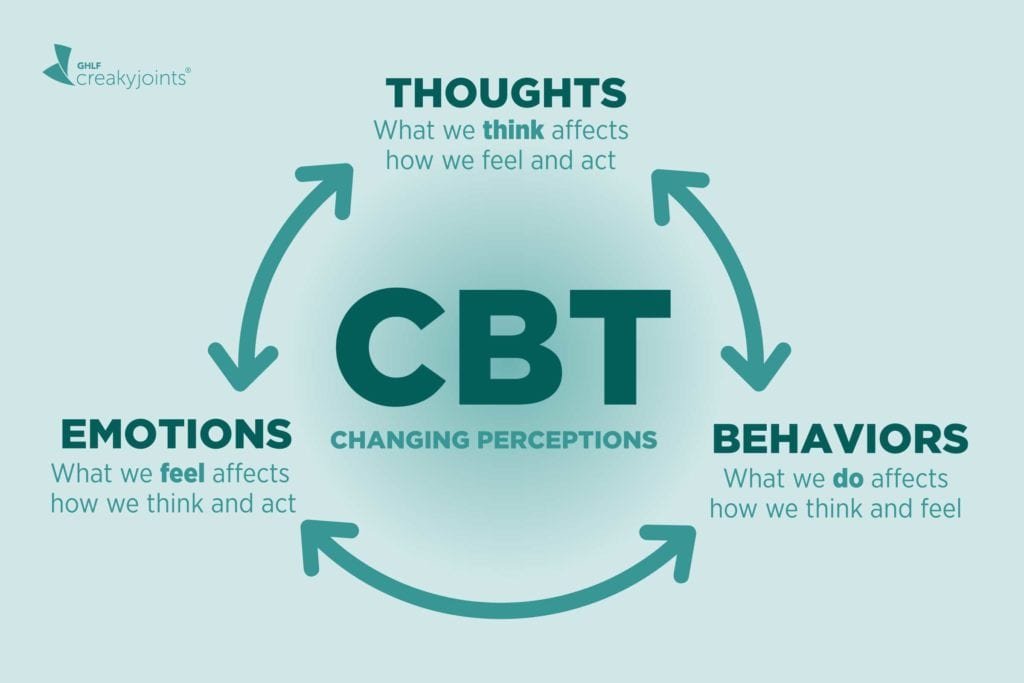
Many therapists learn about cognitive distortions, thought records, behavioural activation, and cognitive restructuring during their training. They can identify automatic thoughts and explain the CBT model with ease.
Yet when they sit across from a client, a common question emerges:
“I know CBT in theory, but how do I actually do it in a session?”
This is where many practitioners struggle.
CBT is often misunderstood as a collection of techniques. In reality, effective CBT is much more than asking clients to challenge their thoughts or complete worksheets. It involves building a collaborative therapeutic relationship, understanding the client’s cognitive and behavioural patterns, developing meaningful formulations, and knowing when and how to introduce interventions.
For example, two clients may both present with anxiety. However, their underlying beliefs, behavioural patterns, and maintaining factors may be completely different. Applying the same technique to both clients without proper case conceptualisation can limit the effectiveness of therapy.
This is why learning CBT requires more than memorising concepts. It requires understanding the flow of sessions, knowing how to formulate cases, asking the right questions, setting goals collaboratively, and adapting interventions to each client’s unique needs.
The most skilled CBT practitioners are not the ones who know the most techniques. They are the ones who know how to think clinically, conceptualise effectively, and use interventions intentionally.
As mental health professionals, it is easy to focus on collecting more tools. However, what often creates meaningful therapeutic change is knowing when, why, and how to use those tools.
CBT continues to be one of the most effective and evidence-based approaches in mental health care—but its impact lies not just in the techniques themselves, but in how they are applied within the therapeutic process.
Learn CBT Beyond Theory
If you’ve ever found yourself wondering:
✔ How do I structure a CBT session?
✔ How do I create a CBT case formulation?
✔ How do I move from assessment to intervention?
✔ How do I use CBT techniques effectively with real clients?
Our Recorded CBT Course is designed to bridge the gap between theory and practice. You’ll learn the foundations of CBT, case conceptualisation, session structure, interventions, and practical applications that can be directly integrated into your therapeutic work.
Found this helpful? Subscribe below for more