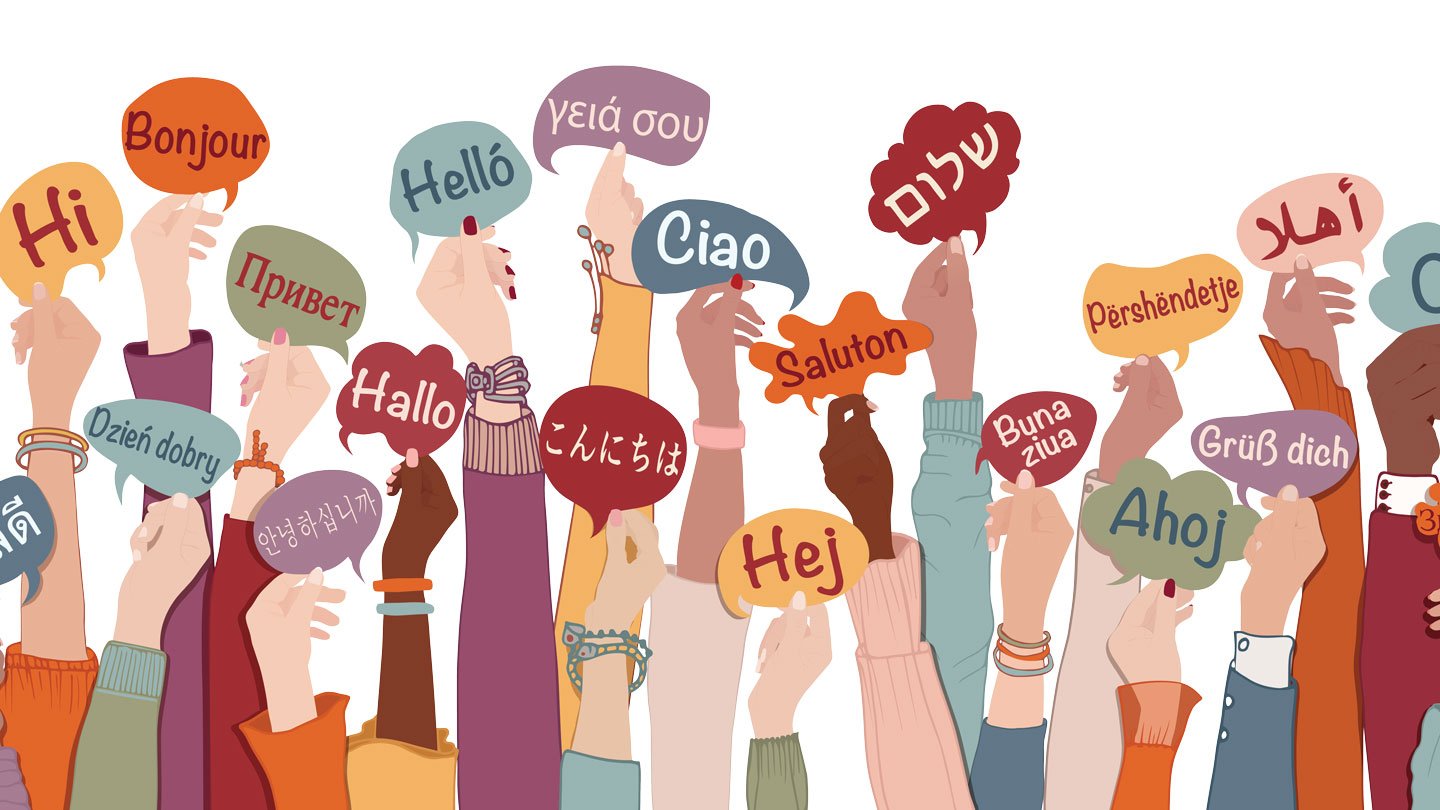
The Weight of Words: How Language Carries History, Identity, and Responsibility
Language is more than a tool for communication , it’s the living archive of humanity. Every word we speak carries layers of history, traces of power, and echoes of cultural evolution. It shapes how we see the world, how we relate to others, and even how we understand ourselves. Yet, in a world of instant messaging and viral reels, we often forget that words are never neutral. They hold memory. They hold emotion. They hold power.
Language as a Mirror of History
The language we use today is a culmination of centuries of social, political, and cultural transformation. Words emerge, shift, and fade carrying with them the hierarchies, values, and histories of those who wielded them. For instance, colonial influence has left linguistic imprints across societies where dominant languages like English have overshadowed indigenous ones. This isn’t just a matter of vocabulary , it’s a matter of identity and power.
What we often call “standard” language is historically defined by the speech of the privileged the educated, the urban, the powerful. Those outside this linguistic norm are often perceived as less articulate or less sophisticated, revealing how deeply language reflects social stratification.
The Psychology of Language: Words Shape Minds
Psychologically, language doesn’t just describe our reality it constructs it. The Sapir-Whorf hypothesis suggests that the structure of a language influences the ways its speakers think. For instance, languages that assign gender to objects may shape how speakers perceive those objects emotionally or socially.
Similarly, the words we choose affect emotional experience. A person describing themselves as “broken” will feel different than one who says they are “healing.” Our self-talk becomes a psychological mirror reflecting and reinforcing how we interpret our internal world.
Even in therapy, subtle linguistic shifts can transform healing. When a therapist rephrases “I failed” into “I struggled this time,” it’s not just semantics it’s cognitive reframing. It’s language as intervention, as gentle restructuring of meaning
When We Speak, We Carry More Than Ourselves
In conversations whether in classrooms, therapy sessions, or social media comments our words ripple beyond intent. They carry the voices of our culture, family, and history. To speak carelessly is to risk repeating the violence of past narratives; to speak consciously is to participate in healing them.
Psychologically, this awareness demands meta-cognition the ability to think about how we think and communicate. It means pausing before we speak, asking: Whose story am I continuing through this phrase? Whose pain am I ignoring? Whose humanity am I honoring?
Found this helpful? Subscribe below for more